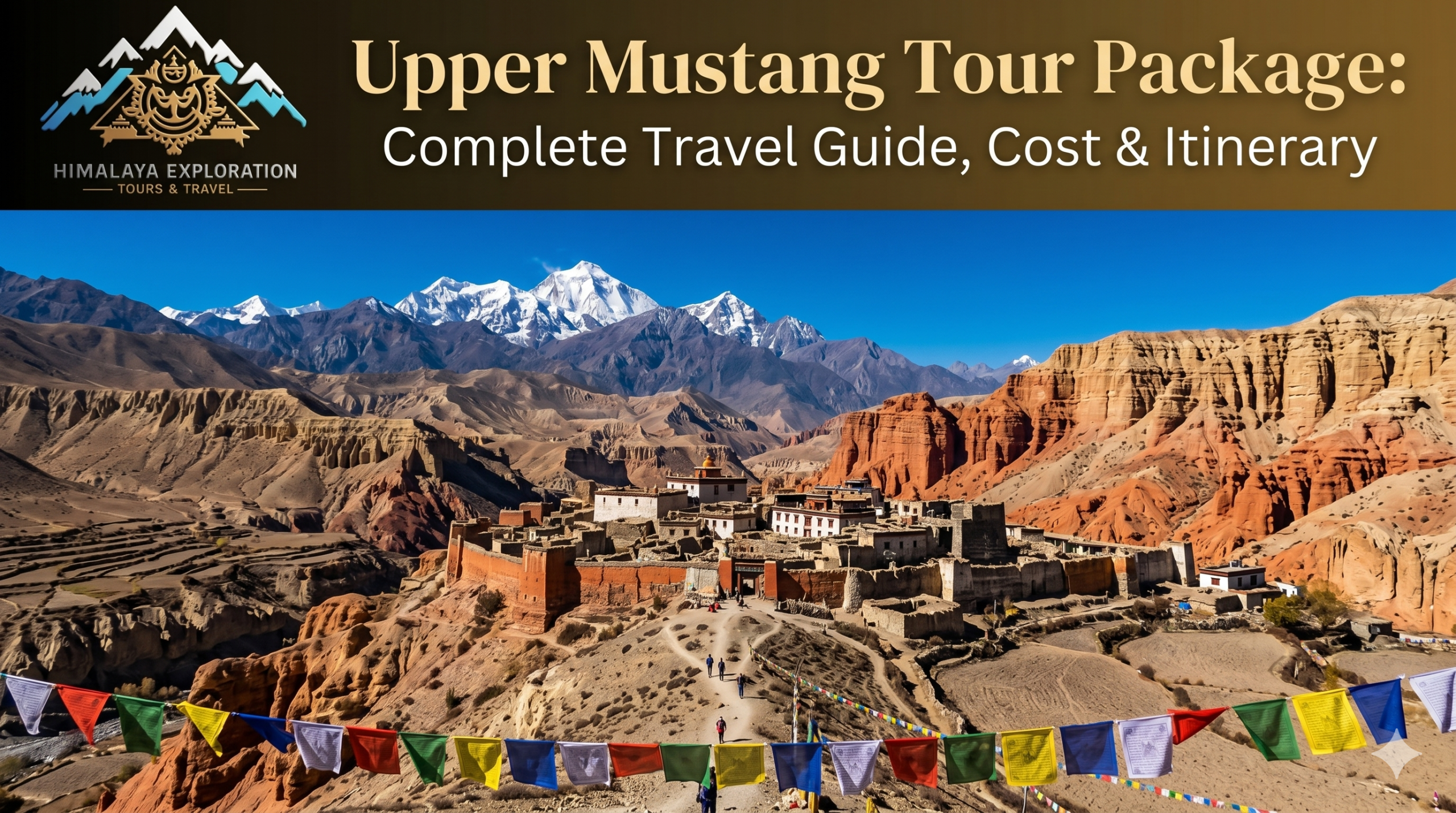
Are you looking for the best tour package to explore one of Nepal’s most mystifying and breathtaking regions? Welcome to the ultimate travel guide for the Upper Mustang Tour Package. Tucked away in the rain shadow of the Himalayas, Upper Mustang—often referred to as the “Last Forbidden Kingdom”—offers a travel experience unlike any other. Known for its distinct Tibetan-influenced culture, dramatic desert-like landscapes, and ancient walled city of Lo Manthang, this destination is rapidly becoming highly popular among both international and Indian tourists seeking an extraordinary adventure.
Whether you are searching for a comprehensive travel guide, an affordable cheap travel option, or a premium, customized tour package from Nepal, planning a trip to this restricted area requires precise details. This guide covers everything from daily itineraries and accurate pricing to the best times to visit and essential travel tips, specifically tailored for Nepali travelers and international explorers alike. Get ready to start a memorable journey into the high-altitude wonders of the Himalayas.
Why Upper Mustang is Worth Visiting
Upper Mustang is not just a destination; it is a step back in time. For centuries, this region was closed to outsiders, which helped preserve its incredibly rich cultural heritage and pristine natural environment. Visiting Upper Mustang offers an emotional and spiritual connection to the ancient Tibetan Buddhist traditions that still thrive in the monasteries and daily lives of the local Lobas (the people of Mustang).
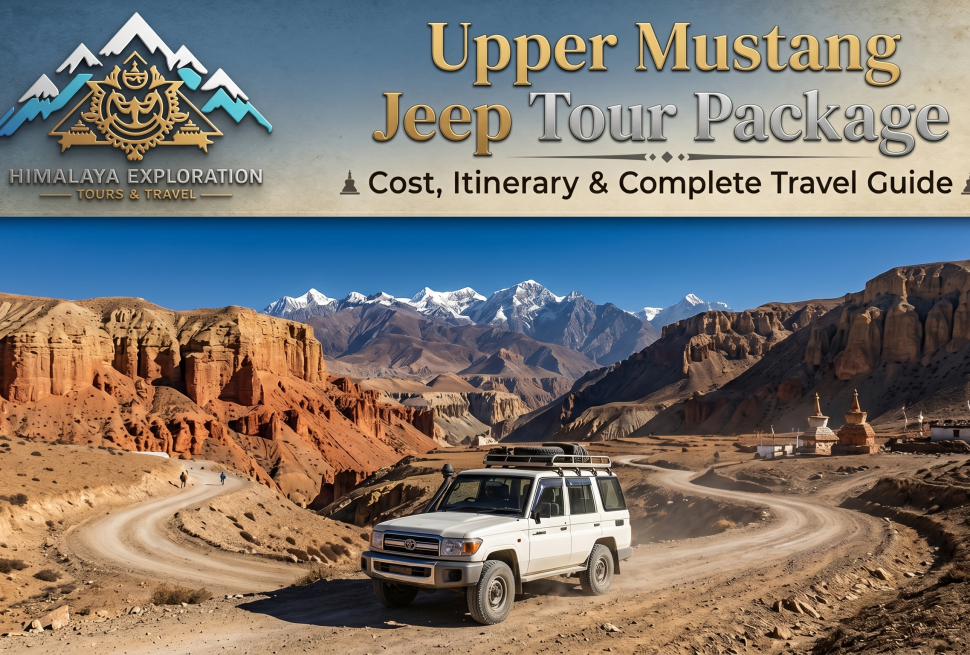
The natural appeal is staggering. Unlike the lush green hills of lower Nepal, Upper Mustang features a high-altitude desert landscape characterized by wind-carved canyons, striking red cliffs, and snow-capped peaks looming in the background. The adventure appeal is undeniable—navigating the rugged terrain via 4WD jeep or classic land cruiser through the world’s deepest gorge provides an adrenaline rush matched only by the awe-inspiring scenery. Spiritually, the sacred temples, ancient sky caves, and vibrant prayer flags create an atmosphere of profound peace and reflection.
Top Highlights of Upper Mustang Tour Package
To understand what makes this trip so spectacular, here are the top highlights you will experience:
- Scenic drive or flight from Pokhara to Jomsom with views of the Annapurna and Dhaulagiri ranges.
- Traveling through the Kali Gandaki Gorge, the deepest gorge in the world.
- Exploring the ancient, walled capital city of Lo Manthang.
- Visiting the mystical, multi-story Chhoser Caves carved into sheer cliff faces.
- Witnessing authentic, centuries-old Tibetan Buddhist culture and traditions.
- Discovering ancient monasteries like Ghar Gompa and Namgyal Gompa.
- Stunning high-altitude desert landscapes featuring vibrant red, yellow, and brown cliffs.
- Crossing high mountain passes like Lo La (3,950m) with panoramic Himalayan views.
- Walking through traditional, whitewashed villages like Kagbeni and Charang.
- Experiencing the unique rain-shadow climate, making it accessible even in the monsoon.
- Paying respects at the sacred Muktinath Temple, a holy site for Hindus and Buddhists.
- Thrilling off-road 4WD jeep driving adventure through rugged terrains.
- Enjoying local Mustangi cuisine, including Tibetan bread, butter tea, and Thakali meals.
- Observing daily life in remote Himalayan settlements.
- Photography opportunities capturing dramatic landscapes, ancient architecture, and local festivals.
- Exploring a restricted area that receives limited tourists, ensuring an exclusive experience.
Beyond the Clouds: Upper Mustang Expedition
Traverse the red cliffs and ancient caves of Nepal’s hidden desert.

The high-altitude desert of Upper Mustang represents one of the final frontiers of preserved Tibetan culture on Earth. This 9-day Upper Mustang Jeep Tour from Kathmandu offers an extraordinary passage into a land once closed to the outside world.
Best Time to Visit
Understanding the seasonal variations is crucial for a successful trip to Upper Mustang.
- Spring (March to May): This is one of the best times to visit. The weather is relatively warm, and the skies are clear, offering excellent visibility of the mountains. The famous Tiji Festival usually occurs in May, bringing vibrant masked dances and cultural celebrations to Lo Manthang.
- Summer/Monsoon (June to August): Because Upper Mustang lies in the rain shadow of the Annapurna Himalayas, it receives very little rainfall. This makes it an exceptional summer destination while the rest of Nepal experiences heavy monsoon rains. The landscape even shows rare patches of green.
- Autumn (September to November): Autumn is another peak season. The weather is stable, the skies are deeply blue, and the temperature is pleasant. Visibility is at its absolute best, making it a paradise for photographers.
- Winter (December to February): Winter brings harsh, freezing temperatures and heavy snowfall. Many locals migrate to lower altitudes during this time. While travel is possible for extreme adventure seekers, it is generally not recommended due to cold and potential road blockages.
How to Reach Upper Mustang
Reaching Upper Mustang is an adventure in itself.
Kathmandu to Pokhara
Your journey begins in Kathmandu. You can reach the lake city of Pokhara either by a scenic 25-minute domestic flight or a 6 to 8-hour drive via a tourist bus or private vehicle.
Pokhara to Jomsom
From Pokhara, you can take an early morning 20-minute flight to Jomsom, the gateway to Mustang. Alternatively, you can drive from Pokhara to Jomsom, which takes about 8-10 hours depending on road conditions.
Jomsom to Lo Manthang
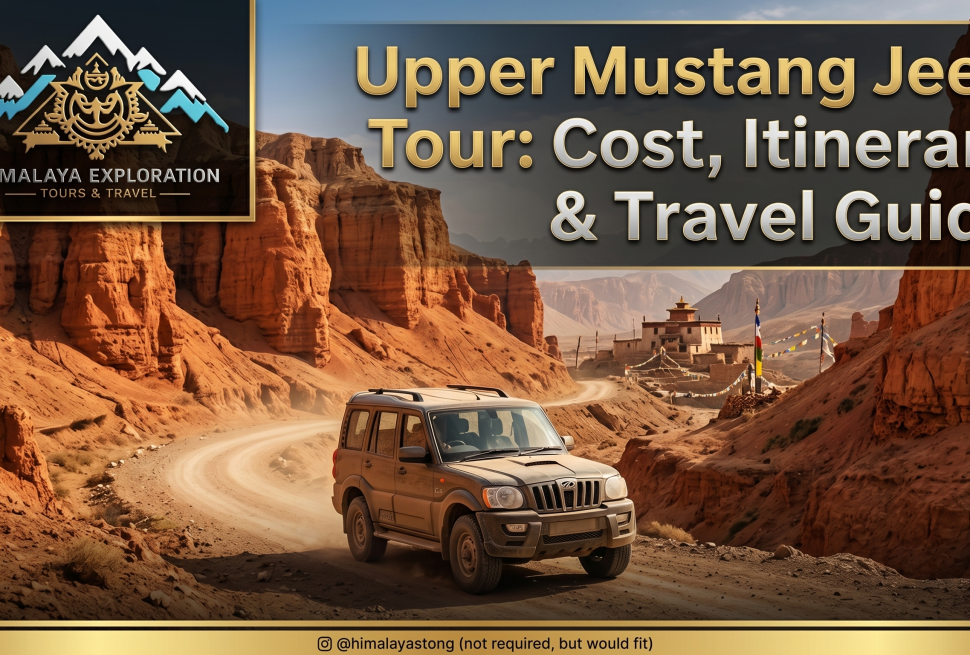
Once in Jomsom, the journey into the restricted area of Upper Mustang continues via rugged mountain roads. This stretch is completed using sturdy 4WD vehicles like a Jeep Scorpio or Classic Land Cruiser, navigating through Kagbeni, where the restricted area begins.
Feel free to contact us on WhatsApp at +977 9851361516 or email us at inquiry@himalayaexploration.com.np if you require any clarification, customization, or modifications. Our team will be glad to assist you.
Detailed Tour Itineraries
We offer flexible travel plans to suit your schedule. Below are two popular, conversion-focused itinerary options outlining day-by-day distances, estimated times, and key sightseeing attractions.
Option 1: 6 Days Upper Mustang Tour
- Day 1: Kathmandu to Pokhara
- Distance/Time: 200 km / 6-8 hours drive (or 25-minute flight).
- Altitude: 822m.
- Highlights: Scenic highway drive alongside the Trishuli River. Evening relaxation by Phewa Lake in Pokhara.
- Day 2: Pokhara to Jomsom
- Distance/Time: 160 km / 8-9 hours drive.
- Altitude: 2,743m.
- Highlights: Driving through the world’s deepest gorge (Kali Gandaki). Passing waterfalls, traditional villages like Lete and Marpha, and acclimatizing in the windy town of Jomsom.
- Day 3: Jomsom to Lo Manthang
- Distance/Time: 50 km / 5-6 hours drive.
- Altitude: 3,840m.
- Highlights: Entering the restricted area at Kagbeni. Crossing the high passes of Dajori La and Lo La. Stunning views of the red cliffs and arrival at the walled capital, Lo Manthang.
- Day 4: Lo Manthang Exploration & Drive to Jomsom
- Distance/Time: 50 km / 2 hours exploration + 5-6 hours drive back.
- Altitude: 3,840m (Lo Manthang) to 2,743m (Jomsom).
- Highlights: Morning exploration of Lo Manthang’s ancient monasteries (Jampa Lhakhang, Thubchen Gompa). Quick visit to the King’s Palace before driving back to Jomsom for the night.
- Day 5: Jomsom to Pokhara
- Distance/Time: 160 km / 8-9 hours drive.
- Altitude: 822m.
- Highlights: Stop at the sacred Muktinath Temple (3,800m) early in the morning before descending back down the Kali Gandaki valley to the warmth of Pokhara.
- Day 6: Pokhara to Kathmandu
- Distance/Time: 200 km / 6-8 hours drive.
- Altitude: 1,400m.
- Highlights: Farewell to the mountains, driving back to Kathmandu for departure or onward travels.
Option 2: 7 Days Upper Mustang Tour (Recommended)
- Day 1: Kathmandu to Pokhara
- Distance/Time: 200 km / 6-8 hours drive. Altitude: 822m.
- Day 2: Pokhara to Jomsom
- Distance/Time: 160 km / 8-9 hours drive. Altitude: 2,743m.
- Day 3: Jomsom to Lo Manthang
- Distance/Time: 50 km / 5-6 hours drive. Altitude: 3,840m.
- Day 4: Full Day Lo Manthang Exploration
- Distance/Time: Local driving & walking. Altitude: 3,840m – 3,900m.
- Highlights: A complete day dedicated to Upper Mustang. Drive to the incredible Chhoser Caves, explore local nomadic villages, visit ancient monasteries, and fully immerse yourself in the Tibetan culture without rushing.
- Day 5: Lo Manthang to Jomsom
- Distance/Time: 50 km / 5-6 hours drive. Altitude: 2,743m.
- Highlights: Return journey exploring different viewpoints, visiting the ancient Ghar Gompa, and passing through the village of Charang before reaching Jomsom.
- Day 6: Jomsom to Pokhara
- Distance/Time: 160 km / 8-9 hours drive. Altitude: 822m. (Morning visit to Muktinath).
- Day 7: Pokhara to Kathmandu
- Distance/Time: 200 km / 6-8 hours. Altitude: 1,400m.
Package Pricing
We offer competitive, transparent pricing based on the duration of your trip, group size, and nationality. Below is the estimated cost range depending on variables such as group size, mode of transportation, hotel category, permit fees, pickup and drop-off locations, and other service-related factors.
| Tour Duration | Nationality | Estimated Cost Range |
| 6 Days Tour | Nepali Travelers | NPR 25,000 to NPR 100,000 per person |
| 6 Days Tour | Foreign Nationals | USD 400 to USD 1500 per person |
| 7 Days Tour | Nepali Travelers | NPR 30,000 to NPR 115,000 per person |
| 7 Days Tour | Foreign Nationals | USD 500 to USD 1650 per person |
What is Included & Excluded
Note: The entire package can be customized according to specific requirements, with the best possible pricing offered after receiving the inquiry. For restricted areas like Upper Mustang, a licensed guide is mandatory for all tours and trekking activities.
Inclusions
- Transportation: 4WD Jeep Scorpio / Classic Land Cruiser / or similar capable vehicle.
- Accommodation: Hotel accommodation as per the agreed package (teahouses/lodges in Mustang).
- Meals: Meal plan as per package (Breakfast, Lunch, Dinner usually included).
- Permits: All applicable permits (Special Restricted Area Permit – RAP, Annapurna Conservation Area Project – ACAP permit).
- Guide: Professional, government-licensed Tour Guide (mandatory).
- Taxes: All applicable government and local taxes.
- Travel Insurance: Basic coverage (if specified in the final customized itinerary).
Exclusions
- Personal Expenses: Laundry, phone calls, Wi-Fi, hot showers in teahouses.
- Entry Fees: Entrance fees to monasteries, museums, and caves.
- Insurance: Comprehensive personal travel, medical, and emergency helicopter rescue insurance (highly recommended).
- Optional Activities: Horse riding, additional side trips.
- Beverages: Alcoholic and non-alcoholic drinks, bottled water.
Top Attractions in Upper Mustang
- Lo Manthang Walled City: The heart of Upper Mustang. This ancient capital is enclosed by a massive whitewashed wall, housing the King’s Palace and narrow alleys that transport you back centuries.
- Chhoser Caves: Located north of Lo Manthang, these mysterious sky caves are carved directly into the cliff faces. Some complexes, like Jhong Cave, have over 40 interconnected rooms used historically for meditation, burial, and living.
- Kagbeni: The gateway to Upper Mustang. This picturesque village sits at the confluence of the Kali Gandaki and Jhong rivers, featuring narrow stone-paved alleys and a fascinating 15th-century monastery.
- Muktinath Temple: A highly revered sacred site for both Hindus and Buddhists, known for its 108 water spouts and eternal flame.
- Ghar Gompa: One of the oldest monasteries in the Himalayas, believed to have been established in the 8th century by Guru Rinpoche.
- Kali Gandaki Gorge: The drive itself takes you through this dramatic gorge, flanked by the massive peaks of Annapurna and Dhaulagiri.
Feel free to contact us on WhatsApp at +977 9851361516 or email us at inquiry@himalayaexploration.com.np if you require any clarification, customization, or modifications. Our team will be glad to assist you.
Essential Travel Tips
To ensure a smooth, safe, and memorable trip, keep these practical travel tips in mind, especially curated for affordability and ease of travel:
- Packing Suggestions: Dress in layers. The winds in the Kali Gandaki valley are notoriously strong in the afternoons, and temperatures drop sharply at night. Bring a good windbreaker, a warm down jacket, sturdy walking shoes, sunglasses, and a buff/scarf to protect against dust.
- Documents Required: Carry multiple copies of your passport, passport-sized photos, and original identification. Your agency will handle the RAP and ACAP permits, but you must keep them accessible at checkpoints.
- Currency: There are no reliable ATMs past Jomsom. Carry enough Nepalese Rupees (NPR) in cash from Pokhara or Kathmandu for your personal expenses, extra snacks, and donations at monasteries.
- Health Precautions: Though you are driving, altitude sickness (AMS) is still a risk as you sleep above 3,800 meters. Drink plenty of water (garlic soup is a local remedy), avoid alcohol, and carry Diamox just in case.
- Local Advice: Respect the local culture. Always walk clockwise around Chortens (shrines) and Mani walls. Ask for permission before photographing locals or inside monasteries.
Why Choose This Upper Mustang Tour Package
Operating from the heart of Narsing Chowk-Thamel, Kathmandu, Himalaya Exploration Tours & Travel ensures a premium, hassle-free experience. Why book with us? We offer competitive pricing with no hidden fees, customizable itineraries tailored to your exact pace and interests, and a deeply trusted service backed by years of operating in the Himalayas. Our experienced, licensed guides and skilled mountain drivers prioritize your safety while ensuring you experience the true essence of the region. Don’t leave your dream trip to chance—book now and let us handle all the complex logistics of restricted area travel.
Special Promotional Offers
Planning a group trip? We offer exclusive group discounts for parties of 4 or more! Keep an eye out for our seasonal early-bird offers if you book your spring or autumn adventure 60 days in advance. Contact us today to claim your special discounted rate and secure your preferred travel dates.
Frequently Asked Questions (FAQs)
1. Where is Upper Mustang located?
It is located in the north-central part of Nepal, bordering Tibet, situated behind the Annapurna and Dhaulagiri mountain ranges.
2. Do I need a special permit to visit?
Yes, because it is a restricted area, you need a Restricted Area Permit (RAP) and an Annapurna Conservation Area Project (ACAP) permit.
3. How much does the Restricted Area Permit cost?
For foreign nationals, the RAP costs USD 500 per person for the first 10 days, and USD 50 for every additional day.
4. Is a guide mandatory for the Upper Mustang tour?
Yes. The Nepal government mandates that all tourists entering this restricted area must be accompanied by a licensed guide through a registered trekking/tour agency.
5. What is the maximum altitude reached on this tour?
The highest point on the standard driving tour is the Lo La Pass at 3,950 meters, and Lo Manthang sits at 3,840 meters.
6. How difficult is the jeep tour?
The tour is moderately adventurous. While there is no strenuous trekking required, the off-road jeep drive can be bumpy and dusty.
7. When is the best time to visit?
Spring (March-May) and Autumn (September-November) are the best times. Summer/Monsoon is also excellent due to the region’s rain-shadow location.
8. Can we visit Upper Mustang during the monsoon?
Yes! Because it lies in the Himalayan rain shadow, it receives very little rain, making it one of the few great monsoon destinations in Nepal.
9. Is there mobile network in Upper Mustang?
NTC (Nepal Telecom) and Ncell networks work in certain areas, including Jomsom and Lo Manthang, though data speeds can be slow and signals intermittent.
10. What kind of accommodation is available?
Accommodation consists of basic but comfortable local teahouses and lodges. Do not expect luxury hotels, but rooms are clean and warm blankets are provided.
11. What kind of food is served on the tour?
You will find a mix of traditional Nepali Dal Bhat, Tibetan dishes like Thukpa and momos, and basic continental options like pasta, pancakes, and eggs.
12. Can Indian tourists travel easily to Upper Mustang?
Yes. While Indian nationals do not need a visa for Nepal, they still require the RAP and ACAP permits to enter Upper Mustang, which our agency arranges.
13. How long does the trip take?
The standard jeep tours range from 6 to 7 days starting from Kathmandu or Pokhara, but itineraries can be customized to be longer.
14. Are there ATMs in Upper Mustang?
No. The last reliable ATMs are in Jomsom. It is highly advised to carry sufficient Nepali cash from Kathmandu or Pokhara.
15. What type of vehicle is used for the trip?
We use rugged, well-maintained 4WD vehicles such as Mahindra Scorpio or Classic Land Cruisers, driven by experienced mountain drivers.
16. Can I customize the trip itinerary?
Absolutely. We offer fully customizable packages to add rest days, hiking segments, or specific cultural tours according to your preferences.
17. What should I pack for the trip?
Pack layers: windproof jackets, warm down jackets, comfortable driving clothes, sunglasses, a buff for dust, and good walking shoes for sightseeing.
18. Is there a risk of altitude sickness on a driving tour?
Yes, because the vehicle takes you to high altitudes quickly, AMS is a possibility. We design our itineraries to allow for acclimatization and recommend staying hydrated.
19. What is included in the package cost?
The standard package includes 4WD transportation, teahouse accommodation, meals, mandatory guide, and all necessary permits.
20. How do I book this tour package?
You can easily book by contacting us via our website, email, or WhatsApp. We require a copy of your passport and a trip deposit to secure your permits and reservations.
Feel free to contact us on WhatsApp at +977 9851361516 or email us at inquiry@himalayaexploration.com.np if you require any clarification, customization, or modifications. Our team will be glad to assist you.
Conclusion
Upper Mustang is an unparalleled destination that promises a perfect blend of high-altitude desert adventure, raw natural beauty, and untouched Tibetan culture. From the thrilling 4WD drives along the Kali Gandaki Gorge to the mystical silence of the Chhoser Caves and the ancient walls of Lo Manthang, every moment here is spectacular. Whether you opt for the concise 6-day adventure or the highly recommended 7-day immersive experience, this journey will leave you with memories to last a lifetime.
If you have been dreaming of an authentic, off-the-beaten-path Himalayan adventure, there is no better time to plan your trip. Our expertly crafted itineraries, transparent pricing, and dedicated team at Himalaya Exploration Tours & Travel guarantee a safe and unforgettable holiday. Don’t wait—secure your permits and vehicle today. Contact us now to book your Upper Mustang adventure and let the magic of the Himalayas transform your travel dreams into reality!
Important Links & Resources
Official Resources:
- Nepal Tourism Board Official Website – Get the latest travel news and cultural insights.
- Department of Immigration, Nepal – Current visa information for international travelers.
- Himalayan Rescue Association (HRA) – Expert resources on altitude sickness and safety.
🏔️ Mustang & Manang (Adventure Jeep Tours)
- 🔗 Click here to explore our Upper Mustang Jeep Tour: Cost, Itinerary & Complete Travel Guide
- 🔗 Click here to explore our 4-Day Upper Mustang Express Jeep Adventure from Pokhara: Cost, Itinerary & Complete Travel Guide
- 🔗 Click here to explore our Manang Jeep Tour: Cost, Itinerary & Complete Travel Guide
- 🔗 Click here to explore our Manang Tour Package from Pokhara: Cost, Itinerary & Complete Travel Guide
- 🔗 Click here to explore our Manang Tour Package from Kathmandu: Cost, Itinerary & Complete Travel Guide
- 🔗 Click here to explore our Muktinath Tour Package from Kathmandu: Cost, Itinerary & Complete Travel Guide
That itinerary looks really well-planned, especially the focus on the rain shadow effect – I’ve read a bit about how that impacts the landscape there.